
Longa
Old Members
-
Joined
-
Last visited
-
I memorized the circle of 5ths and have no idea what to do next. Oh someone suggested this to me : (unison), b2 (flat second), 2, b3 (flat third), 3, 4, #4 (sharp fourth), 5, b6 (flat sixth), 6, #6 (sharp sixth), 7, 8 With The C Major Scale will it be transposed into this? C-C unison C-Db (flat second) C-D (second) C-Eb (b3) C-E (3RD) C-F (4TH) C-F# (SHARP 4TH) C-G (5TH) C-Ab (FLAT SIXTH?) C-A (6TH) C-A# (SHARP 6TH) C-B (7TH?) C-C 8TH. Thank you for the help so far.
-
I'm trying to figure out how to use the theory I used so far on guitar. Having trouble. What basics do I need to know to create my own songs? The reason I want to do theory is I want to do a good job. Yet the language is very difficult to understand. So far I am sorta thinking scales are used as the basis for songs. How? How would a song based on The Whole Tone Scale sound different then say one on the blues scale? Is the key of the scale the 1st note a piece begins and ends with?
-
Self study. If its only a hobby to you, then treat it as such. I mean I have an interest in women, but that doesn't mean I should major in biology to legitimize my interest.
-
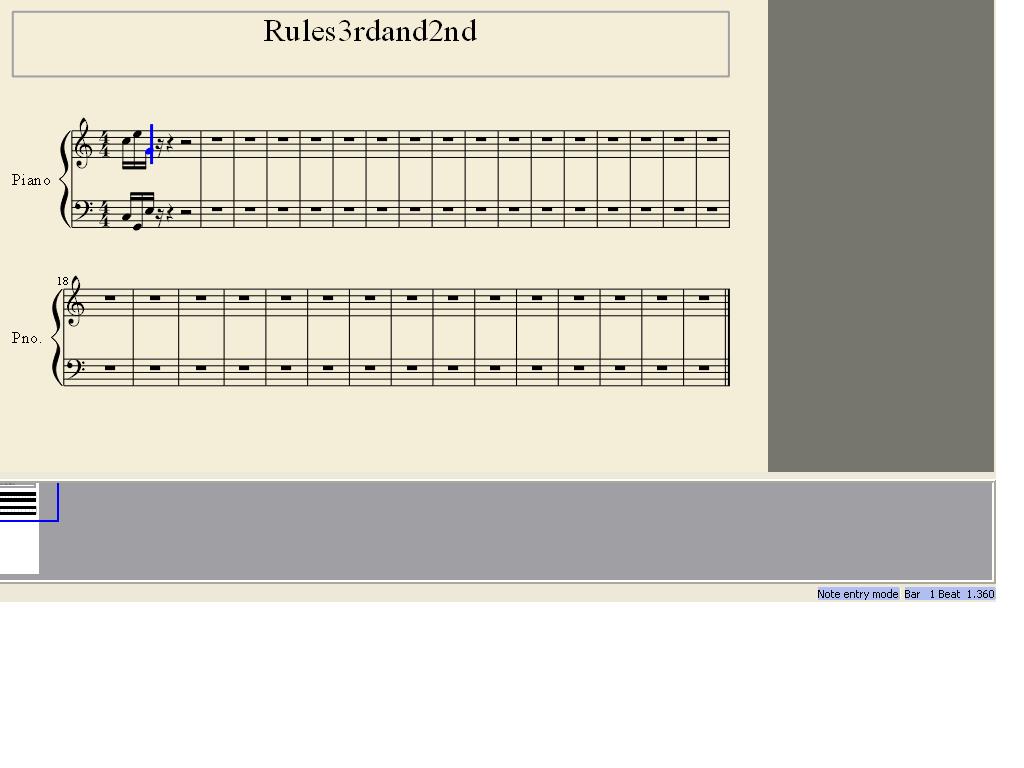
Here is a very basic piece composed according to rules 2 and three. I choose to ignore rules one and four because they were not as strict. I decided to go with contrary motion and not oblique. I also figured out where I was going wrong with the counting. The half steps between E-F and B-C when added together make an octave. Embarrassing I know :wacko:
-
This is how I count it. Still "wrong" but just to show. Whats fussing me up is the E-F and B-C which I consider a half step. "I think I know why you're not getting it right." I think I get it now. I'll try something according to rules.
-
"E-F#-G#-A#-C a fifth? E-F#-G#-A#-C-D a 6th? E-F#-G#-A#-C-D-E a 7th?" Guess I'm one step off? The latter should be an octave, 7th and a 6th? Edit: I think I am miscounting but not exactly sure how. What I do is take my guitar and count the frets. I know E-E should be an octave but I end up counting seven. I know its bloody obvious to you guys, but to me it isn't automatic yet. I even got a virtual keyboard and I end up counting the steps the same amount :unsure: Its a silly question yet Im not even sure what I am doing incorrectly.
-
Just to make sure would E -F# be considered a second? If yes then would; E-F#-G# a 3rd? E-F#-G#-A# a 4th? E-F#-G#-A#-C a fifth? E-F#-G#-A#-C-D a 6th? E-F#-G#-A#-C-D-E a 7th? I am trying to figure out how the half tones affect the steps from B-C and E-F.
-
Well I could sing with the guitar. Not there yet. The pollen due to the unusually warm weather been making my throat sore because of pollen :(
-
Thank you Wayne. I decided to see what these would sound like on an instrument. The only one I have handy is a guitar. A piano would be better but, make do with what I got. Now I am aware they do not have to be chords, yet I only have one instrument (which translates into one voice, correct?) so its going to have to be chords. Trying to build a direct motion progression fret board note chart.
-
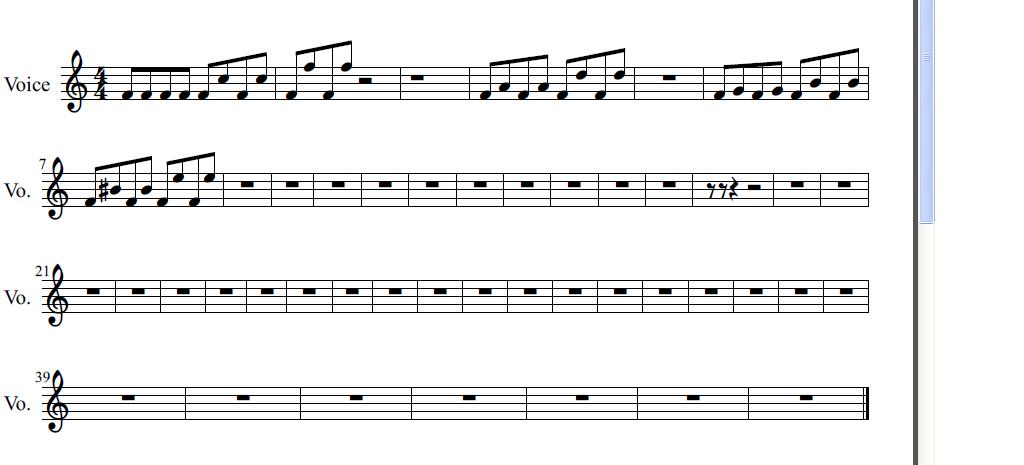
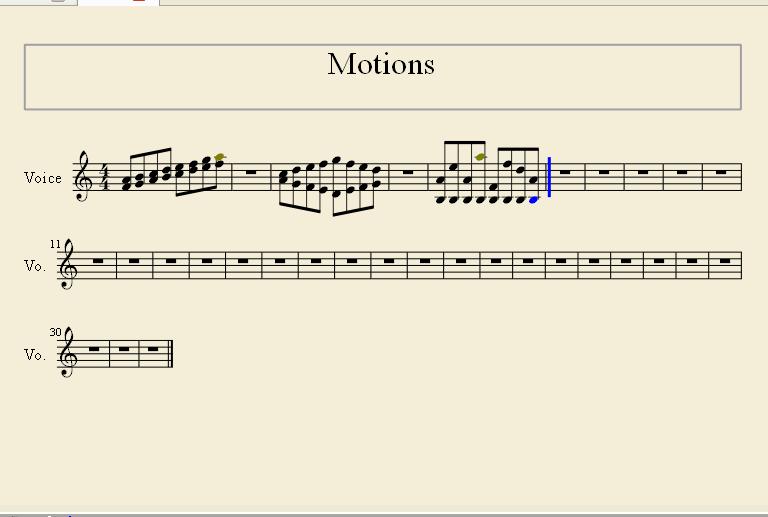
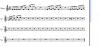
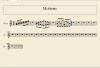
Thank you. When I re-read it seemed I worded my question incorrectly. What I meant was "Consonances" but you fixed it with a wonderful answer. Thank you very much! :) "They are perfect consonances, yes, in sequence. But if you stack them on top of each other (C on C), (G on C), (C on C), they form perfect consonant intervals simultaneously." Thus become chords? Or can be used as chords. Here is what I made in sequence the intervals listed in the book. From perfect, to imperfect to dissonance. The one problem I am having is what is the difference between a tritone and a diminished fifth or augmented fourth? For these terms seem to be interchangeable. The Three Motions: 1st is direct, second is contrary and oblique.
-
Could you show me? "perfect consonances" Is an imperfect and perfect both considered consonances?
-
I am trying to understand some basic concepts by writing them upon sheet music. Could you please help? For example, this is what I think is perfects are meant according to the book "The Study of counterpoint" Is this correct?
-
I am having trouble understanding this book. While I can understand what note is what on a treble clef, beyond that I am having trouble putting all the information into a coherent whole. Please help?
-
What is the first thing we should look for? For example, Holst's Planets. What gives each one its personality?